

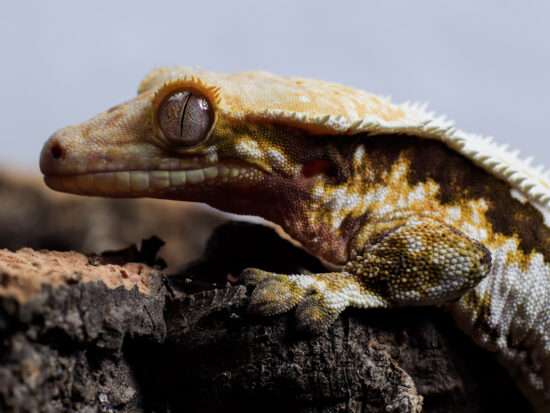
No matter where you fall, there’s no denying that reptiles are captivating animals with unique behaviors, appearances, and care needs.
For reptile enthusiasts, these animals can make incredibly rewarding pets. Whether they crawl, climb, or slither, and whether they have legs or not, there is a reptile species to suit nearly every kind of keeper. If you’re thinking about adding a reptile to your home, knowing where to start is key. Below are three reptiles commonly kept as pets that are well-suited for beginners when cared for properly. This is part one of our reptile basics series, with more species to come.
Bearded Dragon
Bearded dragons are medium-sized lizards, typically reaching 1 to 2 feet in length. They range in color from sandy yellow and brown to vibrant oranges and reds. Their name comes from the expandable skin beneath their throat, which they puff out when feeling stressed or threatened.
These lizards thrive in glass enclosures with a strong heat gradient. The basking area should reach between 90 and 105°F, while the cooler side should stay in the mid-70s°F. Bearded dragons need sturdy branches or logs for climbing and must have full-spectrum UVB and UVA lighting to support vitamin D3 production and proper calcium absorption.
Their diet consists of live insects such as crickets and mealworms, along with occasional appropriately sized feeder mice for adults. These should be supplemented with calcium powder several times a week. Vegetables are equally important and can include leafy greens like collards, kale, and mustard greens, as well as squash, zucchini, and shredded carrots. Daily misting helps with hydration, as bearded dragons absorb moisture through their skin and by licking water droplets. With regular handling, they often become calm and personable pets and typically live between 7 and 10 years.
Leopard Gecko
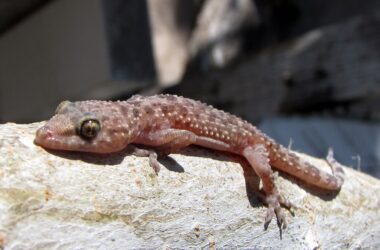
Leopard geckos are sturdy, ground-dwelling lizards that grow to about 8 or 9 inches long. Juveniles usually display bold stripes that fade into spotted patterns as they mature. They are known for their gentle nature and are often recommended for families and first-time reptile keepers.
They should be housed in heated glass tanks with rocks or hides for shelter. Ideal temperatures range from about 90°F in the warm area to the low 70s°F on the cooler side. Although leopard geckos are nocturnal, access to UV lighting indoors can still benefit their overall health.
Their primary diet includes crickets, with occasional mealworms or waxworms. Insects should be gut-loaded with nutritious foods and dusted with calcium before feeding. Leopard geckos require a shallow water dish for drinking and soaking, as well as a humid hide filled with damp moss or similar material to support healthy shedding. With proper care, they can live 8 to 10 years in captivity.
Ball Python
Ball pythons are calm, slow-moving snakes that get their name from their defensive behavior of curling into a tight ball when they feel nervous. Adults typically reach lengths of 4 to 5 feet and are known for their curious yet gentle temperament.
Young ball pythons can be housed in 10- to 20-gallon enclosures with secure lids to prevent escapes. They benefit from branches, hides, and simple substrates like shredded paper. A proper temperature gradient is essential, with a basking spot around 90°F, a cooler zone between 80 and 85°F, and nighttime temperatures dropping to the low 70s°F.
Although primarily nocturnal, exposure to full-spectrum lighting can improve their health in captivity. Humidity levels should be maintained between 60 and 70 percent, with daily misting and access to a shallow water dish for soaking. Ball pythons should only be fed pre-killed rodents to prevent injury. Hatchlings typically eat small mice, while adults may require larger mice or small rats. With regular, gentle handling and proper care, ball pythons can live an impressive 20 to 30 years.
Important Health & Safety Notes
Anyone considering a reptile should be aware that all reptiles naturally carry bacteria such as Salmonella, which can be transmitted to humans. Hands should always be washed thoroughly after handling reptiles or cleaning enclosures. Small children should be supervised closely, as sudden movements can frighten reptiles and lead to stress or defensive behavior.
Once you bring a reptile home, scheduling an initial visit with a veterinarian experienced in exotic animals is highly recommended. Many reptiles are long-lived, and proper care from the beginning can ensure they stay healthy for decades. If you ever have questions or concerns, your veterinarian should always be your first point of contact for reliable guidance.