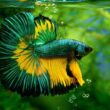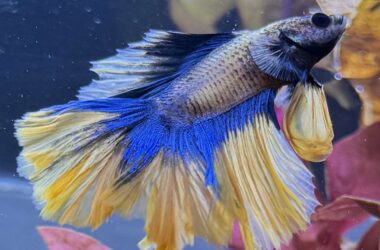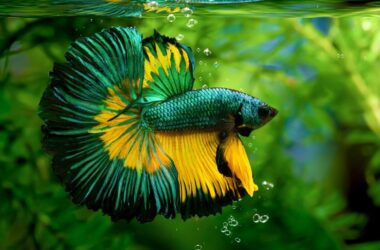

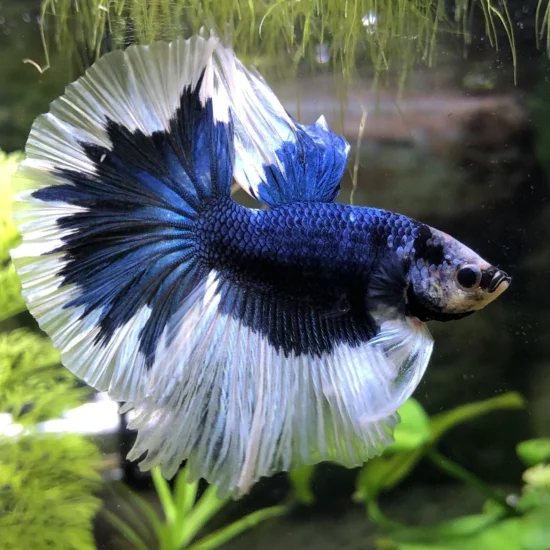
While their dramatic tails are the result of selective breeding, they also require thoughtful care to keep them healthy, stress-free, and at their most vibrant.
What Are Long-Tailed Bettas?
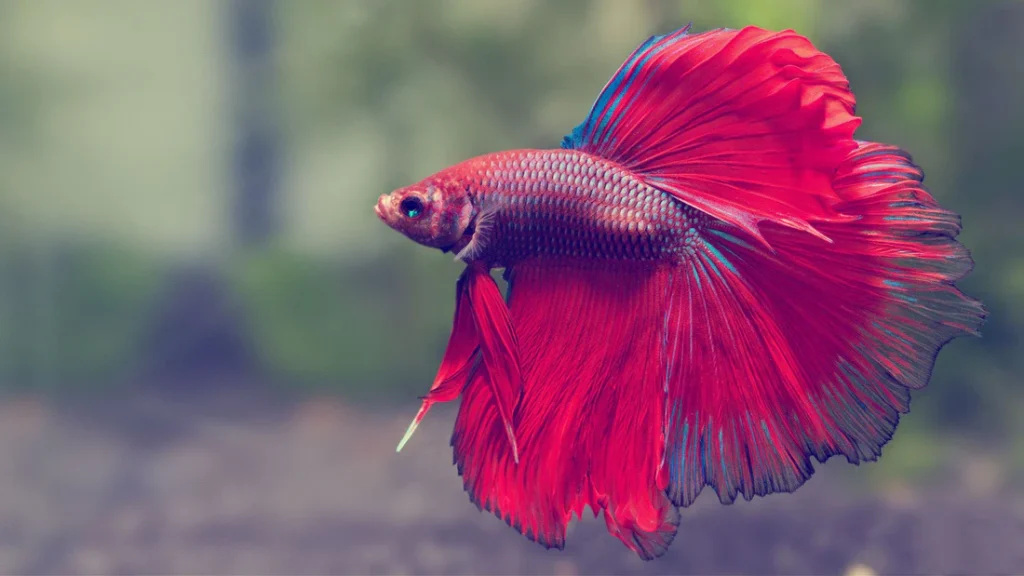
Long-tailed bettas are varieties of Betta splendens bred specifically for extended fin length and shape. Popular types include veiltails, delta tails, super deltas, halfmoons, rosetails, and feathertails. These fish are often chosen for their show-quality appearance, with tails that can spread to 180 degrees or form ruffled, layered edges. The longer the fins, the more visually impressive the fish—but also the more delicate.
Unlike short-finned plakats, long-tailed bettas are slower swimmers. Their fins create drag in the water, meaning they tire more easily and prefer calm, low-flow environments. Understanding this difference is essential when setting up their aquarium and choosing equipment.
Tank Setup for Long-Tailed Bettas
A long-tailed betta thrives in a tank that prioritizes comfort over strong movement. A minimum of 5 gallons is recommended, giving the fish enough room to explore without exhausting itself. Water temperature should remain stable between 78–80°F, as cooler water slows metabolism and weakens the immune system.
Filtration should be gentle. Sponge filters or adjustable hang-on-back filters with baffled flow are ideal choices. Strong currents can cause fin tearing, chronic stress, or excessive resting at the bottom of the tank. A secure lid is also important, as bettas are jumpers despite their long fins.
Aquascaping With Fin Safety in Mind
Aquascaping for long-tailed bettas requires a softer approach than many other aquariums. Live plants like anubias, java fern, and floating plants provide resting spots near the surface and reduce stress. Broad-leaf plants are especially appreciated, as bettas often lounge on them between swims.
Decorations should always be smooth, rounded, and free of sharp edges. Rough rocks, plastic plants, and jagged ornaments can snag or tear fins, leading to infections like fin rot. Many keepers test decorations by running pantyhose over them—if it snags, it’s not betta-safe.
Feeding and Fin Health
Nutrition plays a major role in fin growth and repair. Long-tailed bettas benefit from high-protein diets made for carnivorous fish. Quality betta pellets should be the staple, supplemented with frozen or live foods such as bloodworms, brine shrimp, daphnia, and blackworms.
Overfeeding, however, can quickly degrade water quality, which is one of the leading causes of fin damage and rot. Small, measured feedings once or twice daily are ideal, with an occasional fasting day to support digestion. Clean water combined with good nutrition helps maintain full, flowing fins and rich coloration.
Behavior and Quality of Life
Long-tailed bettas often have calmer personalities compared to their short-finned counterparts, though each fish is still an individual. They may spend more time resting, especially near the surface, which is normal behavior—not laziness or illness. Providing easy access to the surface helps reduce fatigue and allows them to breathe comfortably using their labyrinth organ.
Because of their delicate fins, long-tailed bettas are usually best kept alone or with very peaceful tank mates like snails. Shrimp can work in some setups, but compatibility depends on the betta’s temperament. Aggressive or fast-moving fish should be avoided entirely.
Common Health Concerns
The most common issues in long-tailed bettas involve fin damage, stress, and infections. Fin rot often begins when poor water quality or physical damage allows bacteria to take hold. Regular partial water changes, stable temperatures, and a calm environment go a long way toward prevention.
Early signs of trouble include fraying fins, loss of color, clamped fins, or lethargy beyond normal resting behavior. Addressing problems early with improved water quality and proper care usually leads to full recovery.
Why Long-Tailed Bettas Remain So Popular
Long-tailed bettas represent the classic image of what a betta fish looks like: elegant, flowing, and unmistakably beautiful. While they require a bit more attention than short-finned varieties, the reward is a fish that turns even a simple aquarium into a living work of art. For keepers willing to provide gentle conditions and consistent care, long-tailed bettas offer a stunning and deeply rewarding aquarium experience.
Sources:
Seriously Fish – Betta splendens Care & Habitat
https://www.seriouslyfish.com/species/betta-splendens/
International Betta Congress – Betta Fin Types & Standards
https://www.ibcbettas.org/
The Spruce Pets – Betta Fish Care Guide
https://www.thesprucepets.com/betta-fish-care-1378481