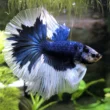

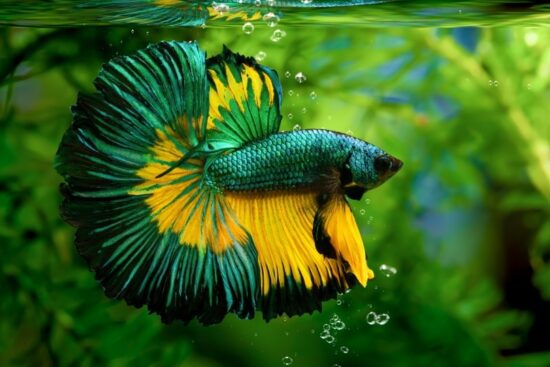
From galaxy-patterned koi bettas to metallic dragonscales and dramatic halfmoons with fins like flowing silk, exotic bettas are the result of decades of dedicated breeding and careful care. But beneath the flashy appearance is an intelligent, curious fish with a surprising amount of personality.
One of the biggest misconceptions about bettas is that they are “low-effort” pets meant to live in tiny containers. In reality, exotic bettas are hardy when cared for properly, not when neglected. These fish originate from warm, slow-moving waters in Southeast Asia, which means they thrive in stable, heated aquariums with clean water and gentle flow. A tank of at least 5 gallons gives them room to explore, flare, rest, and display natural behaviors without stress.
Creating the Perfect Betta Habitat
A proper betta setup balances comfort, enrichment, and aesthetics. Water temperature should stay between 78–80°F, supported by a reliable aquarium heater. Filtration is essential, but strong currents should be avoided—bettas prefer calm water where they can swim effortlessly. Sponge filters or adjustable-flow filters are excellent choices for betta tanks.
Aquascaping isn’t just for looks; it directly affects a betta’s well-being. Live plants such as anubias, java fern, crypts, and floating plants mimic natural cover and give bettas places to rest near the surface. Bettas often sleep on broad leaves or inside hides, and many keepers even add betta hammocks for extra comfort. Decorations should always be smooth, as sharp edges can tear delicate fins, especially in long-finned exotic varieties.
Feeding for Color, Health, and Longevity
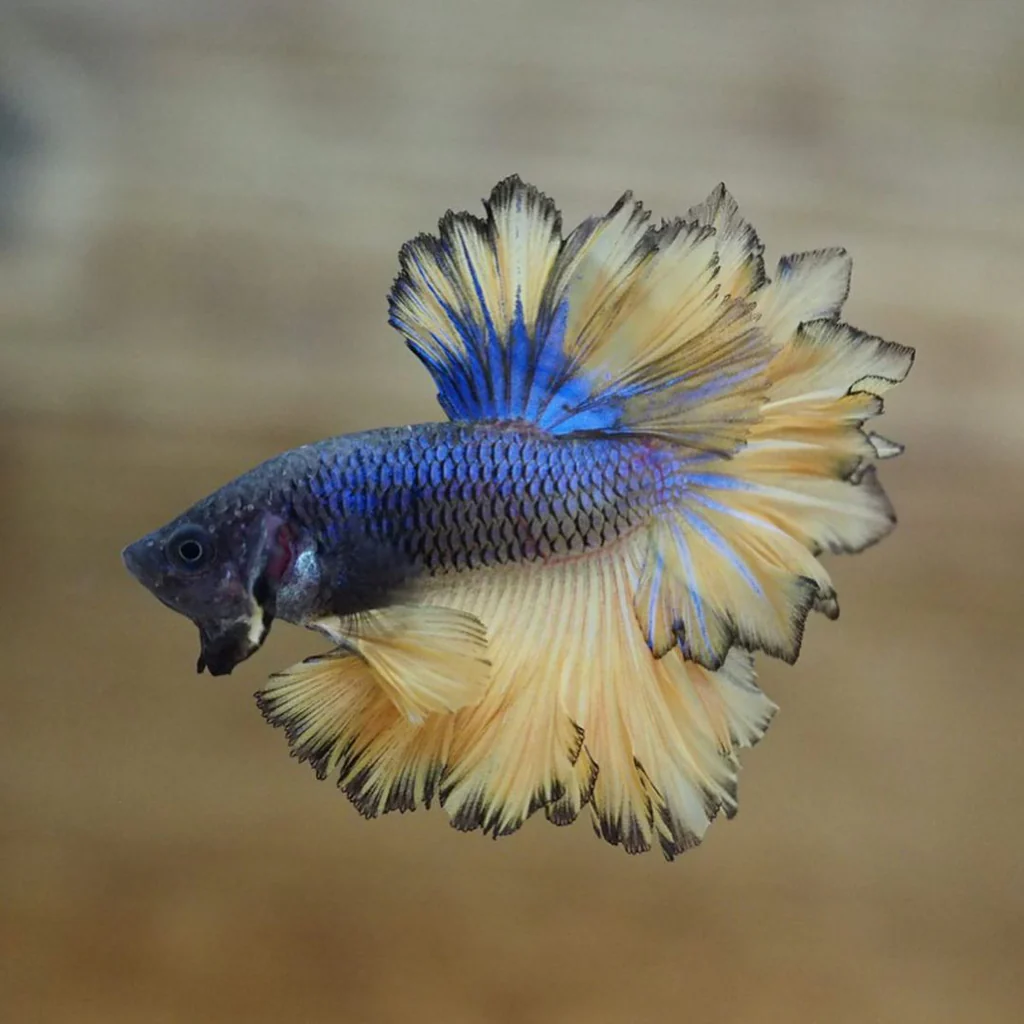
Diet plays a huge role in how vibrant and healthy an exotic betta becomes. Bettas are obligate carnivores, meaning they require protein-rich foods to thrive. High-quality betta pellets should form the staple diet, supplemented with frozen or live foods like bloodworms, brine shrimp, daphnia, and blackworms. These foods enhance coloration, encourage natural hunting behavior, and support fin development.
Overfeeding is one of the most common mistakes new keepers make. Bettas have small stomachs, roughly the size of their eye, and should be fed modest portions once or twice a day. A weekly fasting day can also help prevent bloating and constipation, keeping digestion healthy and water quality stable.
Understanding Betta Personality and Behavior
Exotic bettas aren’t just pretty—they’re interactive and expressive. Many recognize their owners, follow fingers along the glass, and flare during feeding time or when excited. Flaring is a natural display behavior and isn’t always a sign of aggression; it’s often just communication or curiosity.
That said, bettas are territorial by nature. Most males should be housed alone, and even females can show aggression depending on temperament. While some bettas can coexist with peaceful tank mates like snails or shrimp, success depends heavily on tank size, layout, and the individual fish. Careful observation is key, and having a backup plan is always wise.
Health, Maintenance, and Responsible Care
Routine maintenance keeps exotic bettas at their best. Weekly partial water changes of 20–30% help remove waste and maintain stable parameters. Clean water prevents common issues such as fin rot, fungal infections, and stress-related illnesses. A healthy betta should be alert, responsive, brightly colored, and actively swimming or resting comfortably among plants.
When cared for properly, exotic bettas typically live 3–5 years, with some living even longer. Their longevity and quality of life are directly tied to the environment and care they receive. Responsible betta keeping means respecting the fish as a living creature, not a disposable decoration.
Why Exotic Bettas Are Worth the Effort
Keeping exotic betta fish is a deeply rewarding experience that blends artistry, science, and companionship. They offer the visual impact of a centerpiece fish with the personality of a much larger pet, all within a manageable aquarium setup. For hobbyists willing to invest time, attention, and care, exotic bettas return the favor with beauty, interaction, and endless fascination.
Sources:
International Betta Congress – Betta Standards & Education
https://www.ibcbettas.org/
Seriously Fish – Betta splendens Species Profile
https://www.seriouslyfish.com/species/betta-splendens/
Fishkeeping World – Betta Fish Care Guide
https://www.fishkeepingworld.com/betta-fish/
The Spruce Pets – Betta Fish Care and Keeping Guide
https://www.thesprucepets.com/betta-fish-care-1378481