
Found in oceans, rivers, wetlands, and on land across much of the world, turtles play vital ecological roles and serve as powerful symbols of longevity, resilience, and balance in nature.
What Makes a Turtle a Turtle?
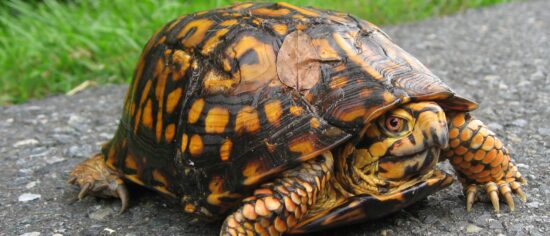
All turtles share a defining feature: a shell made of bone and keratin that is fused to their skeleton. The top portion is called the carapace, while the bottom is the plastron. Unlike cartoon depictions, turtles cannot leave their shells—this structure is a permanent part of their body.
Turtles are ectothermic reptiles, meaning they rely on external heat sources to regulate body temperature. Basking behavior is essential for digestion, immune function, and overall health.
Habitat and Types of Turtles
Turtles are typically grouped by habitat rather than strict taxonomy:
- Aquatic turtles live primarily in freshwater environments like ponds, lakes, and rivers.
- Semi-aquatic turtles divide their time between land and water.
- Terrestrial turtles, commonly called tortoises, live entirely on land.
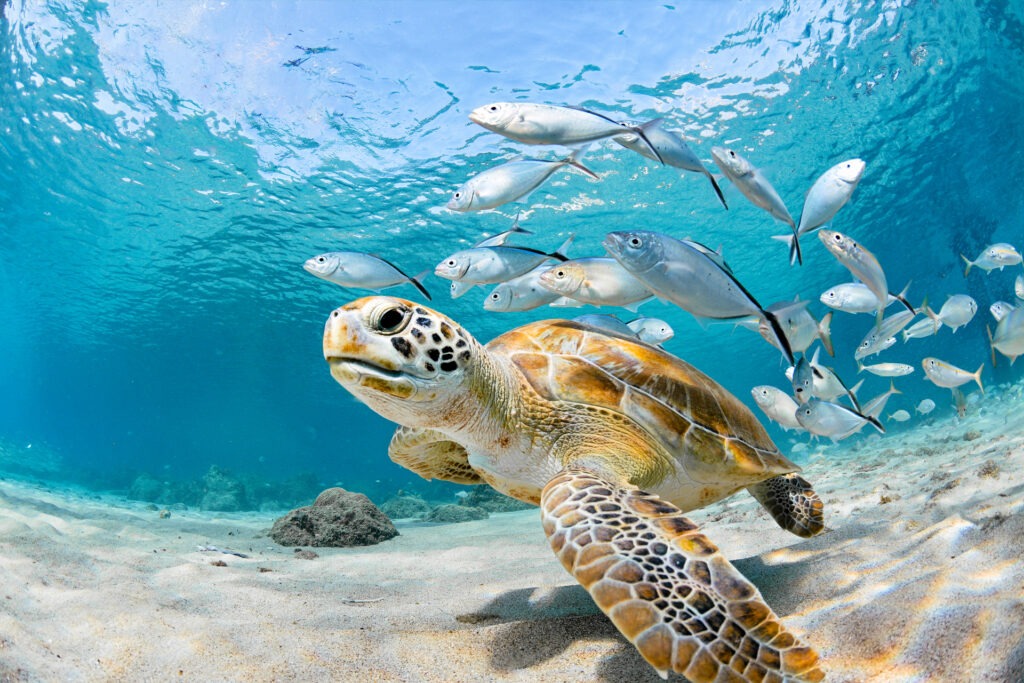
- Sea turtles inhabit oceans and only come ashore to nest.
Each group has evolved unique adaptations—webbed feet or flippers for swimming, domed shells for land mobility, and specialized diets suited to their environments.
Behavior and Lifespan
Turtles are generally solitary and rely on instinct-driven behaviors. Many species exhibit seasonal activity patterns, including brumation (a reptile form of hibernation) during colder months. Some turtles are known for impressive navigational abilities, especially sea turtles that migrate thousands of miles and return to the same nesting beaches.
One of the most remarkable traits of turtles is their longevity. Depending on species, turtles can live 30 to over 100 years, making them some of the longest-lived vertebrates on the planet.
Diet and Ecological Role
Turtle diets vary widely by species and habitat. Some are herbivores, feeding on aquatic plants and grasses; others are omnivores, consuming insects, fish, carrion, and vegetation. Sea turtles often specialize further, with diets that include jellyfish, sponges, or seagrass.
Ecologically, turtles help maintain healthy ecosystems by controlling plant growth, recycling nutrients, and supporting food webs. Sea turtles, for example, play a key role in maintaining seagrass beds and coral reef health.
Turtles in Captivity and Conservation
While some turtle species are commonly kept in captivity, turtles are not low-maintenance pets. They require large enclosures, specialized lighting (including UVB), proper diets, and long-term planning due to their extended lifespans. Many turtles also grow much larger than people expect, leading to abandonment or improper care.
Globally, turtles are among the most threatened vertebrate groups, facing habitat loss, pollution, illegal trade, and climate change. Ethical ownership, education, and conservation awareness are essential to protecting wild populations.
Why Turtles Matter
Turtles are living links to Earth’s ancient past. Their survival through mass extinctions speaks to their resilience, yet modern human pressures threaten many species faster than they can adapt. Learning about turtles encourages patience, responsibility, and respect for slow-growing, long-lived animals whose needs extend far beyond short-term care.
Understanding turtles isn’t just about appreciating a unique reptile—it’s about recognizing our role in safeguarding fragile ecosystems and the species that depend on them.
Sources:
British Chelonia Group. (n.d.). Turtle and tortoise care and conservation guidance
Ernst, C. H., & Lovich, J. E. (2009). Turtles of the United States and Canada. Johns Hopkins University Press.
International Union for Conservation of Nature (IUCN). (n.d.). Turtle and tortoise conservation assessments.
National Geographic. (n.d.). Educational articles on turtles and sea turtles.
Smithsonian National Museum of Natural History. (n.d.). Reptile and turtle educational resources.
Turtle Conservancy. (n.d.). Global turtle conservation efforts.